

Border Collies - A Working Dog
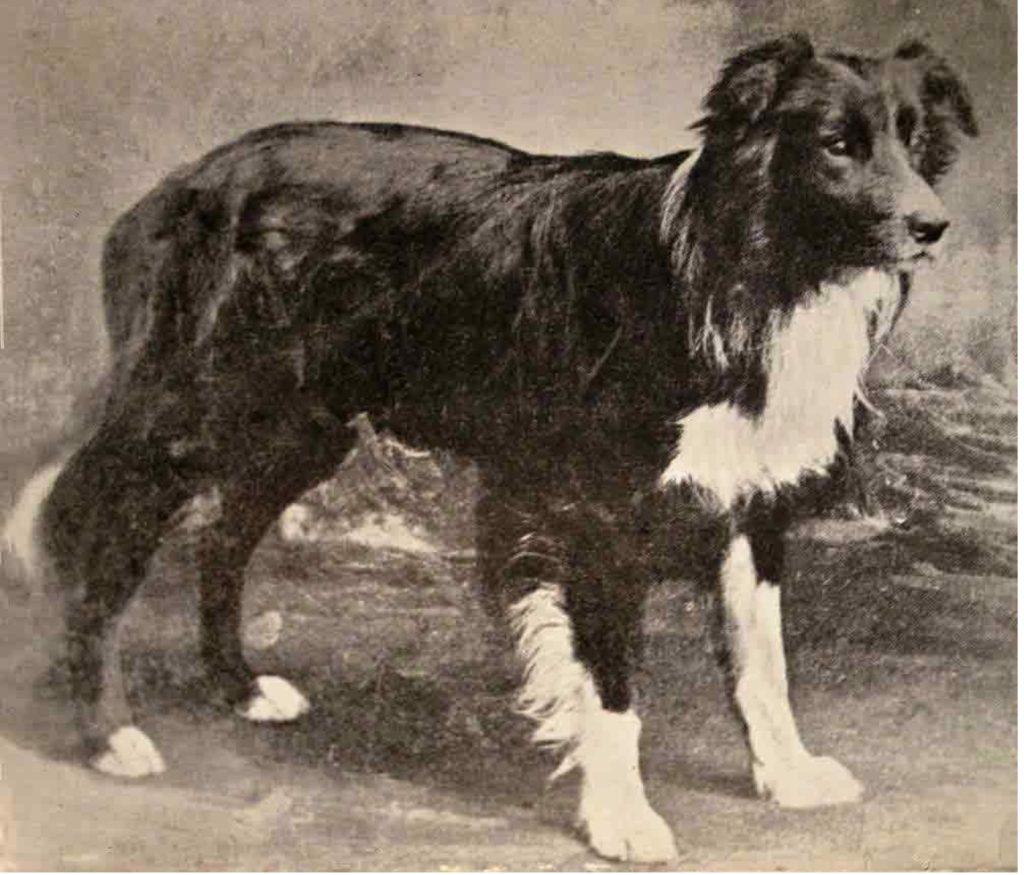
Old Hemp
The History of the Breed
The dogs you see competing at Soldier Hollow are Border Collies—widely regarded as the finest herding dogs in the world. While dogs resembling today’s Border Collies worked alongside farmers as far back as the first century B.C., every modern Border Collie can trace its lineage to a single dog: Old Hemp.
Old Hemp was bred by Adam Telfer, a shepherd at Wark on Tweed, out of a quiet, sensitive black and tan bitch called Meg and a bold rough coated dog called Roy. Telfer said afterwards that he had deliberately put together two opposites, Roy’s power with Meg’s care, and that Hemp was the result he had hardly dared hope for.
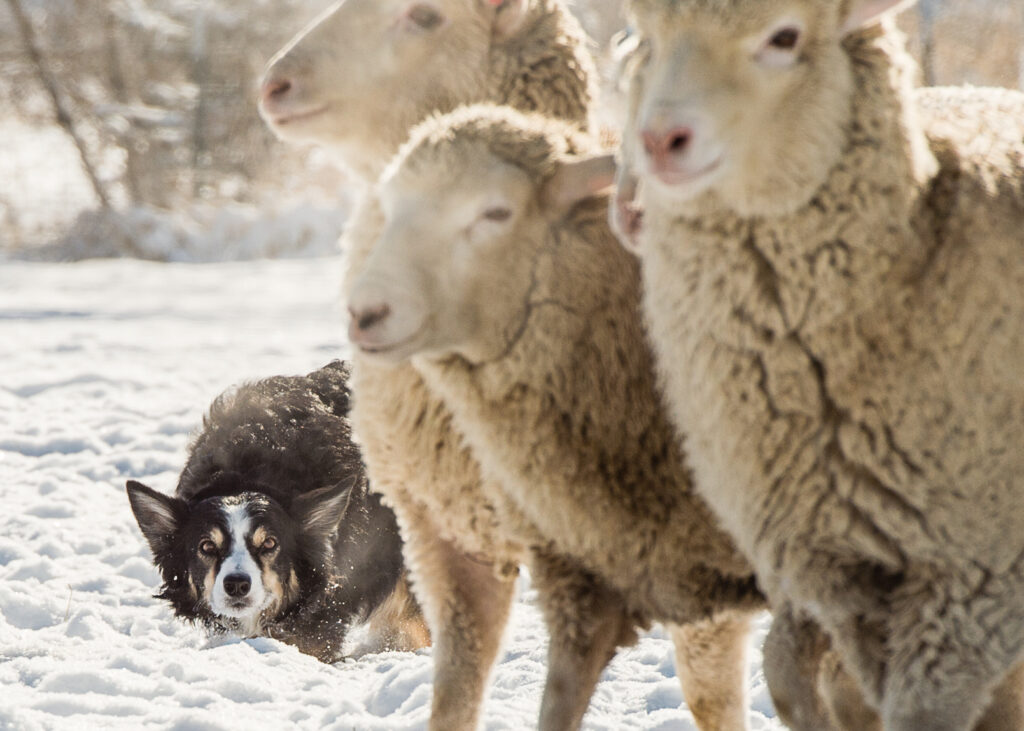
What made Hemp extraordinary was what he did not do. Sheepdogs of the day worked loud and close, barking and running the sheep hard. Hemp worked in silence. He dropped low, fixed the sheep with a stare, and moved them with the pressure of his attention rather than with his teeth. They called it the eye, and nobody had seen it done quite like that before.
He started trialling at a year old and was effectively never beaten. And because he was so far ahead of the field, every shepherd in the Borders wanted a pup by him. Hemp sired a very large number of litters before he died in 1901, and modern pedigree work traces the overwhelming majority of working Border collies back to that one dog
Think about what that means for the hill farms our families came off. The dog lying flat in the wet grass beside your great grandfather, that he swore at and fed scraps to and would not have sold for a month’s wages, was almost certainly descended from Hemp.
Telfer knew exactly what he had done. He had set out to breed the two halves of the perfect sheepdog and he had managed it, and Hemp needed almost no teaching. More than a century later, every trial field in the world is still working to a standard one Border shepherd set on purpose.
Old Hemp’s influence on the breed is unparalleled. Between 1906 and 1951, every winner of the International Sheepdog Championship—twenty-nine dogs in all—was descended from him. The standards for the breed’s working ability were later formalized by the International Sheep Dog Society, based largely on these bloodlines.
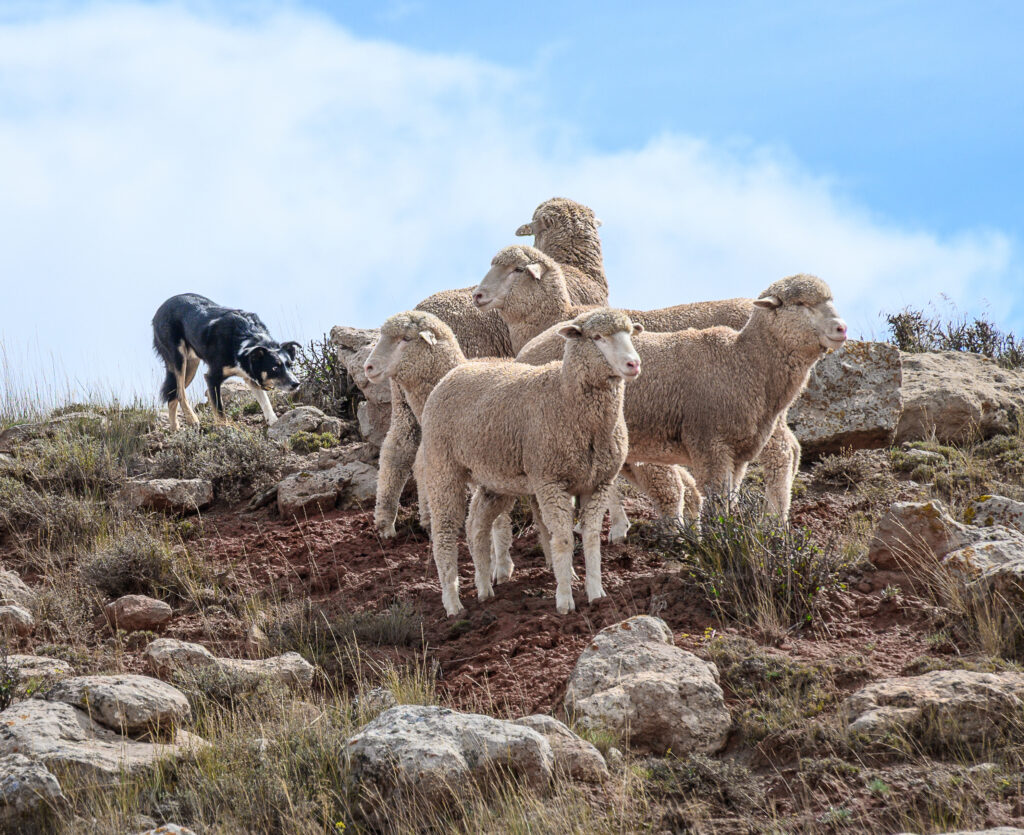
In the late 1800s, as sheep were imported from Scotland to North America, Border Collies arrived alongside them. Before barbed wire fencing, vast open ranges required dogs capable of managing large flocks over long distances. One skilled rancher and one exceptional dog could control a thousand sheep. The effectiveness of these dogs led American ranchers to request more from Britain, cementing the Border Collie’s role in North American ranching.
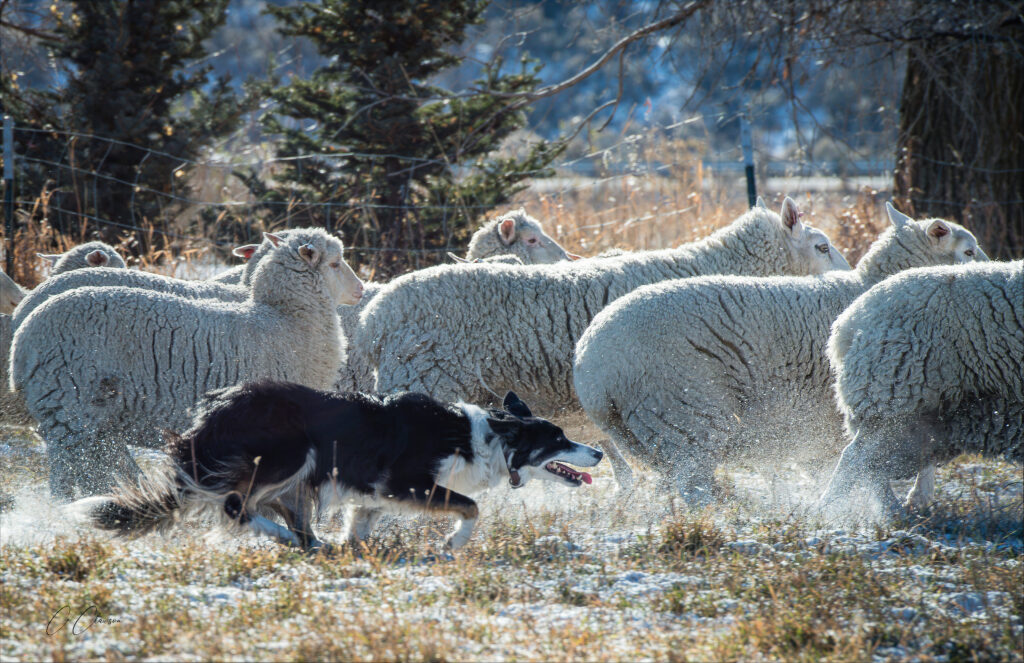
Renowned for intelligence, agility, stamina, and an innate ability to work livestock, the Border Collie remains indispensable on farms and ranches today. Never bred for appearance, the breed is defined—now as always—by its working ability. (Courtesy The Scottish Bloodline FB page)
Border Collies as Pets
Many people who watch the clever, well-behaved dogs at a sheepdog trial think they would like to have a Border Collie as a pet. Often, this is not the best idea. Border Collies are extremely intelligent, active, and high-energy dogs that thrive on having meaningful work to do with a person.
If working with a dog is your favorite activity and you have ample time and energy to devote to training, exercise, and mental stimulation, a Border Collie may be a wonderful companion. If your lifestyle cannot support those needs, another breed is likely a better choice.
If you do decide a Border Collie is right for you, choosing wisely is essential. Keep these guidelines in mind:
Commit to extensive socialization. Herding breeds can be more sensitive and have strong prey-chase instincts. Early and ongoing socialization helps prevent fearfulness, nipping, and unwanted behaviors.
Don’t choose a Border Collie just because it’s “smart.” Intelligent dogs need constant mental engagement. Without a job, a Border Collie will invent one—often herding children, chasing cars or bikes, escaping the yard, or redecorating the trash.
Expect energy—lots of it. After a long workday, your dog will still want to run, train, and play. Without outlets, boredom can lead to barking, digging, and chewing.
Never buy from a pet shop. Responsible breeders do not sell puppies through pet stores.
Be wary of online-only sellers. Many unethical breeders mass-produce unhealthy or unstable puppies in poor conditions.
Avoid breeders with constant puppies available. Good breeders produce limited litters and devote significant time to raising them properly.
Color should never be the priority. Breeding for flashy or unusual colors is a red flag and does not produce good working dogs.
Good breeders know the breed’s health issues and will openly discuss genetic testing and potential concerns.
Finally, we invite you to come watch these extraordinary dogs in action at the Soldier Hollow Classic Sheepdog Championship. Admire their athleticism, courage, and intelligence—but remember, while they are exceptional working dogs, they may not be the perfect pet for everyone.
Sources: American Border Collie Association (ABCA); International Sheepdog Society “The Shepherd’s Dog” (ISDS); Wikipedia.org “Border Collies”; Colliepoint.com “Border Collie History”; Western Border Collie Rescue, “A letter about Border Collie Rescue”